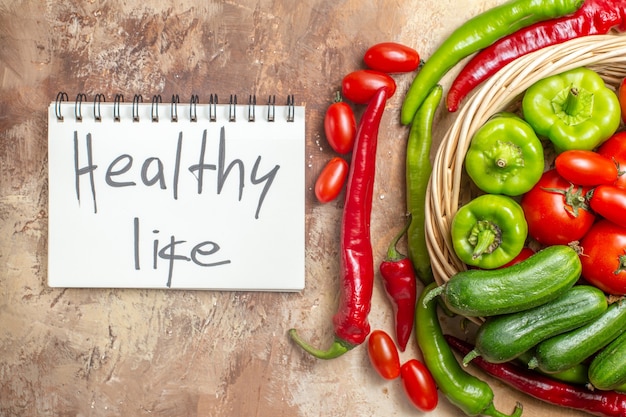
When people talk about protein, the first things that come to mind are eggs, meat or pulses. But a lot of people still ask questions like which fruits have more protein, fruit with highest protein, or protein in fruits and vegetables. And honestly, those are fair questions.
Fruits and vegetables don’t contain protein like meat or legumes do, but some of them still offer a surprising amount. When eaten regularly, these rich protein fruits and vegetables can support daily nutrition, especially for people trying to eat more plant-based food.
This guide explains high protein vegetables and fruits, why they matter, and which ones actually make sense to include in a normal diet.
Why Protein in Fruits and Vegetables Still Matters
It’s true that fruits and vegetables are not “protein powerhouses”, but they do offer clean plant protein along with fibre, vitamins and antioxidants. That combination is what makes them valuable.
Protein from fruits and vegetables helps with:
- Muscle maintenance (small but steady support)
- Skin and hair repair
- Digestion and gut health
- Feeling fuller for longer
- Supporting vegetarian or light diets
For people who don’t consume a lot of animal protein, knowing which fruits have high protein becomes even more important.
Which Fruits and Vegetables Have More Protein? (Simple Explanation)
Protein content depends on the structure of the plant.
- Seeds, peas, and dense flesh usually contain more protein
- Leafy vegetables offer moderate protein with minerals
- Fruits with edible seeds often contain more protein than watery fruits
That’s why some fruits and vegetables stand out more than others.
Top 10 Protein-Rich Fruits and Vegetables
1. Green Peas (Highest Protein Vegetable)
Green peas are one of the best answers to which vegetables have high protein. They contain more protein than most vegetables and are very easy to add to meals.
2. Guava (Fruit With Highest Protein)
Guava is often considered the fruit with highest protein. Along with protein, it also supports immunity and skin health.
3. Spinach (Palak)
Spinach offers moderate protein along with iron and magnesium. It doesn’t give huge protein numbers, but it adds up when eaten regularly.
4. Jackfruit (Kathal)
Jackfruit contains more protein than many fruits and works well in plant-based diets.
5. Broccoli
Broccoli provides good protein per calorie and is one of the most balanced protein-rich vegetables.
6. Avocado
Avocado provides more protein than most fruits and contains healthy fats that help nutrient absorption.
7. Mushrooms
Mushrooms are relatively high in protein, low in calories, and easy to digest.
8. Banana
Bananas offer more protein than many watery fruits and pair well with nuts or dairy.
9. Beet Greens (Beetroot Leaves)
Beet greens contain more protein than beetroot itself and are rich in iron.
10. Sweet Corn
Sweet corn provides protein and carbohydrates, making it filling and practical.
High Protein Fruits and Vegetables (Quick Summary List)
- Green peas
- Guava
- Jackfruit
- Avocado
- Banana
- Spinach
- Broccoli
- Mushrooms
- Beet greens
- Sweet corn
Are Fruits Enough for Protein?
Fruits alone are not enough to meet daily protein needs, but they do contribute. When combined with vegetables, nuts, seeds, pulses or dairy, they help create a balanced diet.
How to Include Protein-Rich Fruits and Vegetables Daily
- Add peas or corn to sabzi
- Eat guava as a snack
- Use spinach in dal or curries
- Add mushrooms to stir-fries
- Combine banana with nuts or peanut butter
FAQs – Protein in Fruits and Vegetables
Which fruit has the highest protein?
Guava is considered the fruit with highest protein among commonly eaten fruits.
Which vegetables are rich in protein?
Green peas, broccoli, spinach, mushrooms and beet greens are some of the best.
Are fruits a good protein source?
Fruits provide low to moderate protein but support overall intake.
Can vegetarians rely on fruits and vegetables for protein?
They help, but should be combined with legumes, nuts or dairy.
Is plant protein effective?
Yes, plant protein supports digestion, health and muscle maintenance.
Conclusion
Understanding which fruits have more protein and which vegetables have high protein helps you make smarter food choices. Fruits and vegetables won’t replace major protein sources, but they still play an important role in daily nutrition.