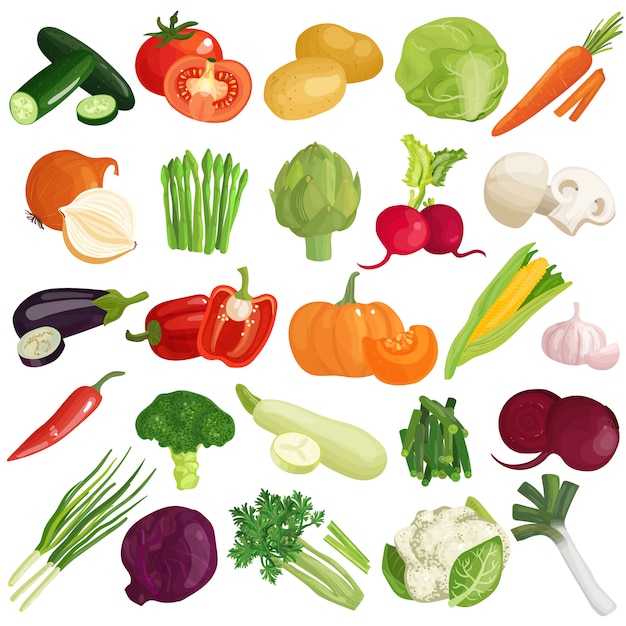
Vegetables are a regular part of Indian meals, and we use so many of them every single day without really thinking about their names. But when it comes to reading recipes online, helping kids with homework, or even just understanding supermarket labels, knowing vegetables name in English becomes quite useful. A lot of people also search for vegetable names because the English names are not always the same as the local names, and that creates confusion.
India has a very wide variety of vegetables, and different states call the same vegetable by totally different names sometimes. So a clean English list helps you identify them properly. This guide simply puts together 50 vegetables in English with Hindi names, so you don’t have to look around everywhere.
Types of Vegetables
Before we jump into the big list, it’s helpful to know that vegetables are not just one straight category. They fall into different groups, and when you understand this, remembering their names becomes easier too.
Leafy Vegetables (Green Vegetables)
These are your leafy greens like palak, methi, sarson, etc. Mostly rich in iron and vitamins and used almost daily in many homes.
Root Vegetables
These grow under the soil. Carrot, beetroot, radish, turnip, sweet potato — they are usually energy-dense and filling.
Gourd Vegetables (Very common in India)
Bottle gourd, ridge gourd, snake gourd, bitter gourd — all of these are light and simple to cook. Many households use at least one gourd every other day.
Pod / Bean Vegetables
Green peas, French beans, cluster beans — these are used in gravies, pulao, sabzi and so many mixed dishes.
Flower & Stem Vegetables
Cauliflower, broccoli, lotus stem and so on. They add texture and a slightly different taste to daily meals.
Alright, now that this part is out of the way, let’s go to the main purpose — the full 50 vegetables list.
50 Vegetables Name in English (With Hindi Names)
- Pumpkin (Kaddu)
- Bottle gourd (Lauki / Doodhi)
- Bitter gourd (Karela)
- Ridge gourd (Turai)
- Snake gourd (Chichinda)
- Sponge gourd (Gilki)
- Ash gourd (Safed Petha)
- Cabbage (Patta Gobhi)
- Cauliflower (Gobi)
- Broccoli (Broccoli)
- Spinach (Palak)
- Fenugreek leaves (Methi)
- Amaranth leaves (Chaulai / Lal Saag)
- Mustard greens (Sarson)
- Coriander leaves (Dhaniya)
- Mint leaves (Pudina)
- Onion (Pyaaz)
- Potato (Aloo)
- Tomato (Tamatar)
- Brinjal / Eggplant (Baingan)
- Okra / Lady’s finger (Bhindi)
- Carrot (Gajar)
- Beetroot (Chukandar)
- Radish (Mooli)
- Turnip (Shalgam)
- Green peas (Matar)
- French beans (Fali)
- Cluster beans (Guar)
- Broad beans (Sem)
- Sweet corn (Makki)
- Cucumber (Kheera / Kakdi)
- Drumstick pods (Sahjan ki Phali)
- Drumstick leaves (Moringa leaves)
- Ivy gourd (Tindora / Kundru)
- Pointed gourd (Parwal)
- Round gourd (Tinda)
- Elephant foot yam (Suran / Jimikand)
- Taro root (Arbi)
- Lotus stem (Kamal Kakdi)
- Spring onion (Hara Pyaaz)
- Green chilli (Hari Mirch)
- Bell pepper / Capsicum (Shimla Mirch)
- Lettuce
- Celery
- Mushroom (Dhingri)
- Curry leaves (Kadi Patta)
- Garlic (Lahsun)
- Ginger (Adrak)
- Raw banana (Kaccha Kela)
- Sweet potato (Shakarkandi)
This list covers almost every vegetable commonly used in Indian kitchens, plus a few international ones that people see often in recipes nowadays.
National Vegetable of India
Since this blog is all about vegetables, it makes sense to mention this too somewhere. Out of all the vegetables we use every day, one of them is generally recognised as the national vegetable of India, and that is:
Pumpkin (Kaddu)
Pumpkin is considered the national vegetable mainly because it grows easily across the country, it’s affordable, and used in many parts of India in regular as well as seasonal dishes. It is also quite nutritious, so it fits well as a symbolic vegetable.
Conclusion
Learning 50 vegetables name in English with Hindi names is useful not just for vocabulary, but also for understanding recipes, meal planning, and teaching kids. Vegetables come from many different categories, and knowing their English names helps avoid confusion, especially when you see new dishes or supermarket labels.
India has hundreds of vegetables, but these fifty are among the most common and recognised. And of course, pumpkin holds its own special place as the national vegetable many people refer to.